
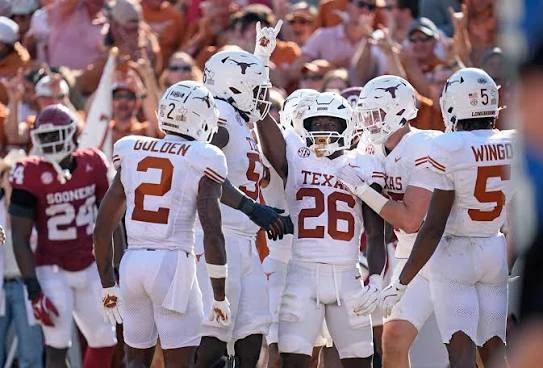
The Red River Rivalry asks for a different travel plan from an ordinary Texas home game. You are heading to the Cotton Bowl in Dallas, within the State Fair setting, rather than following a familiar route to DKR in Austin. The football and the surrounding fair make the visit distinctive, but they also create more moving parts than a stadium-only itinerary.
Treat the day as two connected experiences with one main deadline: being in the correct seat for kickoff. Check the official game listing and the host's current information before arranging transport or activities. This guide focuses on the planning decisions that repeat from visit to visit. It does not reuse an old gate schedule, predict parking availability, or assume that an Austin stadium policy answers a Cotton Bowl question.
Start with the correct venue and event
Confirm the season, date, venue, city, and kickoff on the Red River game page and the official schedule. Then compare those details with any ticket you are considering. Both schools' names appear in many searches, including historical games and unrelated listings. Read the actual event rather than buying from the first matching title.
Use the Cotton Bowl and State Fair information for host-specific arrangements. A Texas home-game checklist can still remind you to prepare tickets and leave enough walking time, but it cannot establish the correct entrance, parking procedure, or item policy in Dallas. Save the current source links in the shared itinerary. When someone asks where the group is going, the answer should include the venue and city, not simply Texas versus Oklahoma.
Understand what the game ticket covers
The State Fair's published sports FAQ says that the relevant football game ticket also acts as fair admission on game day. Review the current event's instructions so you understand how that access is presented and used. Fair admission does not mean every purchase, attraction, or service within the grounds is included.
Check the stadium credential and any separate product carefully before payment. A fair ticket and a football seat are not the same product merely because both relate to the same weekend. Save purchase and delivery records, then verify the actual event and seats in the receiving account. Our ticket-buying guide provides the broader comparison method. If any part of the access arrangement is unclear, ask the responsible ticket or host service before building the day's plan around an assumption.
Choose the main priority outside football
It is easy to build a long fair checklist and underestimate the time spent walking, waiting, and finding people. Choose one or two things the group most wants to experience before kickoff. Place everything else in an optional category rather than turning the visit into a race across the grounds.
Read the current host information for opening times, access, and activities. Do not copy a previous year's itinerary without checking it. If the group includes children or guests who need a slower pace, shorten the pregame plan first. You can still enjoy the setting without covering every attraction. The essential success is reaching the stadium comfortably with enough attention left for the rivalry itself. A relaxed shared stop usually creates a better memory than several rushed ones followed by an anxious search for the right entrance.
Map the entire arrival sequence
Your arrival plan should connect the transport destination to fair access and then to the stadium entrance. Whether driving, using public transport, or arranging a ride, check the current operator and host instructions. A station, lot, or drop-off point on a map is only the beginning of the pedestrian route.
Save the exact details rather than relying on a general venue address. Ask how long the group can comfortably walk and whether any access needs require official guidance. Give the driver and passengers the same information. If using a service with a scheduled return, understand the actual departure point and conditions before committing. Do not assume a navigation estimate for an ordinary day captures event traffic, queues, and the time required to enter the grounds and orient yourself.
Keep stadium and fair rules distinct
Read the current rules for both parts of the visit. An item suitable for walking around the fair may still need checking against stadium entry requirements. The same applies to bags, containers, accessories, and any equipment important to your group. Avoid discovering the distinction only when you approach the stadium gate.
Pack a modest kit built around what is verified and necessary. Decide where anything else will remain and whether retrieving it would require a long return walk. If an essential item involves a specific medical or accessibility question, contact the appropriate official service before travel. General advice can help organize the question, but it cannot authorize an exception. The practical aim is to move from the fair experience into the football experience without an unplanned storage problem or a separated group.
Set a firm time to begin stadium entry
Work backward from kickoff using a realistic walking and entry allowance for your party. Choose a time to stop adding fair activities and move toward the stadium. This is your planning boundary, not an official gate-opening claim. Use the actual event communications to learn when and where entry is available.
Make the boundary visible to everyone. A food queue or photograph should not become a silent decision to miss the opening. If the group wants different amounts of pregame time, split deliberately and confirm ticket access and meeting plans. Do not let one person carry every ticket while others wander toward a different activity. The mobile-ticket guide explains why delivery, preparation, and the identity of the person holding each credential need to be settled before the crowd gets busy.
Plan meals around the route
Food is part of the fair experience for many visitors, but the meal still needs to fit the stadium timeline and the group's needs. Choose a broad plan, keep the budget understandable, and allow for a different option if a queue is too long. Verify current vendors and dietary information directly when a particular requirement matters.
Avoid turning a highly specific food stop into the single point on which the whole day depends. If it takes longer than expected, decide whether to skip another optional activity or move on. Carry only what the current rules permit into the next part of the venue. For families, explain the plan before arriving so children know when there is time for food and when the group needs to walk. A little structure makes the choices feel easier without eliminating the fun of discovering something new.
Agree on meeting points that survive weak service
Choose a recognizable location and a time window for regrouping. Describe it clearly enough that someone can find it without a continuous exchange of messages. Save the stadium section and row too. A crowded event can make a vague message such as we are near the entrance almost useless.
If the party separates, make sure everyone has the access needed for their own plan. Tell the group who is holding shared belongings and vehicle keys. For children or guests needing support, define the adult responsibilities explicitly. Keep private ticket credentials out of casual messages and public posts. The goal is not constant supervision of every adult's itinerary; it is removing the small dependencies that can turn a simple split into a long search when a phone battery or connection becomes unreliable.
Leave the postgame plan flexible
Decide whether you want to continue exploring, return directly to transport, or meet elsewhere after the game. Check the current host rules before assuming you can move freely between areas or re-enter after leaving. A plan that depends on a particular access privilege needs actual confirmation.
Give the return route enough time and avoid booking a tight connection based on a guessed finish. The rivalry can produce an intense afternoon, and the group may be more tired than expected. Keep the meeting location practical and the driver informed. If some travelers leave separately, verify their belongings and transport arrangement before everyone disperses. Our away-trip guide explains how to carry the same whole-journey approach into other visiting stadiums without assuming their rules are identical.
Make a venue-specific note for the group
Create a short Dallas note separate from any Austin plan you have used before. Include the Cotton Bowl event, the host's current information, the arrival destination, the stadium-entry plan, and the postgame meeting point. Keep the actual ticket instructions linked privately rather than copying sensitive entry details into a general chat.
Then ask every traveler to read it and identify anything that does not fit their arrival. Someone joining after a long drive may need a different meeting point from the friends already inside the grounds. A guest who wants more fair time may need independent ticket access. Solving those ordinary differences before the day starts is much easier than trying to reunite the whole party near kickoff. The note should stay concise enough to be useful on a phone. Its purpose is to make the setting's special features understandable, while keeping the basic journey clear for people who have never attended the rivalry in person.
Enjoy the setting without overloading the day
The fair and the football are what make this trip different. You can appreciate that combination without treating every available attraction as a requirement. Choose a few priorities, prepare the actual tickets and route, and leave enough room to be present for the game.
Afterward, note what your group would repeat and what required too much effort. A useful lesson might be a better meeting point, a simpler food plan, or more time between arrival and stadium entry. Keep those observations tied to the visit and check current details again next time. The rivalry supplies the occasion; a workable plan gives you space to enjoy it.
Sources and review date
Last reviewed October 29, 2026. Use the linked official sources for event-specific announcements, rules, and availability.
Frequently asked questions
Is the Red River game played at Texas's home stadium?
The Texas–Oklahoma Red River Rivalry is played at the Cotton Bowl in Dallas. Use the actual event listing and host information rather than an Austin home-game plan.
Does a game ticket provide State Fair admission?
The State Fair's published sports FAQ says the relevant game ticket also serves as fair admission on game day. Check the current event's ticket and entry instructions before traveling.
This independent fan website is not affiliated with Texas Athletics.