
Introduction & Overview
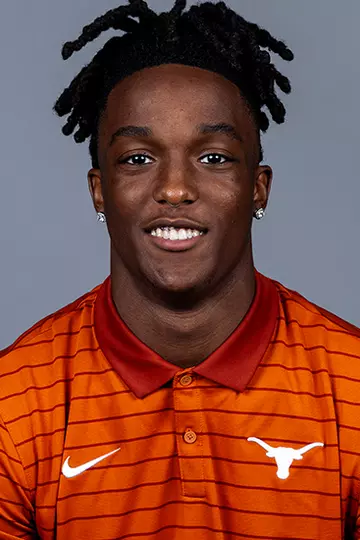
Cam Coleman joined Texas after two seasons at Auburn and quickly became one of the most visible names in the Longhorns' 2026 receiving group. The official roster lists him as a junior wide receiver from Phenix City, Alabama, wearing No. 8 at 6 feet 3 inches and 204 pounds. He arrived with an established SEC record rather than an untested projection.
This profile follows his move between programs, his college production before Texas, and what the first three games of 2026 reveal. The season table is updated through September 26, while the detailed opening-game discussion covers the first three games. His role can change with the opponent and game plan, so the best way to use this guide is to pair the facts with the questions worth watching on the field.
Background & Journey
From Phenix City to Auburn, then Austin
Coleman is from Phenix City and attended Central High School. Texas lists his major as Physical Culture & Sports. He played the 2024 and 2025 seasons at Auburn, then transferred to Texas in spring 2026. That path is central to his profile: he brought real SEC game experience, but still had to build timing with a new quarterback, learn the details of a new offense, and fit alongside receivers already in the Texas room.
The Texas roster currently lists him as a junior, No. 8, 6 feet 3 inches, and 204 pounds. Earlier data on this site used No. 4 and a sophomore designation; those fields were outdated. The change is more than a cosmetic correction. Search results, roster cards, and individual pages should agree so a fan can identify the right player when looking at a live broadcast or the official game book.
Physical & Statistical Profile
Texas lists Cam Coleman at 6-3 and 204 pounds. The table separates full past seasons from the four-game 2026 snapshot through September 26; “Not publicly available” means this profile does not have a verified season total for that field.
| Season | Team | Receiving | Context |
|---|---|---|---|
| 2024 | Auburn | 37 receptions · 598 yards · 8 TD | Freshman season |
| 2025 | Auburn | 56 receptions · 708 yards · 5 TD | 12 starts |
| 2026 through Sep 26 | Texas | 11 receptions · 194 yards · 4 TD | First four games; includes 1 catch for 30 yards at Tennessee |
What he accomplished before the transfer
Texas Athletics says Coleman played in 23 games with 22 starts across his two Auburn seasons. He was named to the 2024 SEC All-Freshman Team. In 2025, he led Auburn with 56 receptions, 708 receiving yards, and five receiving touchdowns, averaging 12.6 yards per catch. A season-long line like that is useful because it reflects repeated participation against a changing schedule, rather than a single spectacular afternoon.
He also had peaks that help explain the interest in his move. His official biography lists ten receptions and 143 yards against Vanderbilt in November 2025 as career highs. It records three receiving touchdowns against UL Monroe in 2024 as another high. Those different performances show both volume and scoring potential. They do not specify exactly how Texas will deploy him, but they establish that he has already handled a regular college workload and found ways to finish drives.
The first three Texas games of 2026
Coleman started in the opener against Texas State on September 5 and caught three passes for 70 yards and two touchdowns, according to the Longhorns' bio. One of the scoring passes was a 44-yard throw from Arch Manning. That debut gave Texas a clear early example of how he could convert a limited number of touches into major scoring value. Fans should be careful with the small sample, however: three catches cannot describe every route or his entire role in the plan.
Against top-ranked Ohio State on September 12, Coleman caught three passes for 35 yards. He followed with four receptions for 59 yards and two touchdowns against UTSA on September 19. Two multi-touchdown games in the first three weeks made the scoring impact obvious, while the Ohio State line showed that opponent and coverage can change the shape of an outing. Through those three games, he had ten catches; the more important question moving forward is how consistently Texas creates useful opportunities for him.
How his presence changes the receiver room
A transfer with Coleman's record does not arrive in an empty position group. Ryan Wingo already has extensive Texas experience, and other receivers are trying to earn their share of snaps. That makes the offense more interesting than a simple ranking of who caught the most passes last week. Texas can move formations, choose which receiver attacks a particular defender, and make a defense decide where to commit help.
Coleman's listed size can be relevant near the boundary or in the red zone, but it does not replace the need for clean footwork and timing. A receiver must create a usable window and complete the catch, while the quarterback must recognize when the matchup is actually favorable. When Coleman is targeted deep, see whether the play was created by his route, an effective fake elsewhere, or protection that let Manning wait. More than one part of the offense can deserve credit for a touchdown.
Playing Style & Strengths
Building a connection with Arch Manning
The quarterback-receiver partnership is still relatively new compared with one that has grown over multiple Texas seasons. Coleman's opener suggests that the two found productive moments early, but consistent timing takes more than a few completed passes. A route can change subtly when a defender presses at the line or a safety rotates after the snap. Coleman and Manning have to read those adjustments the same way for the throw to arrive where the receiver expects it.
Watch for repeatable details. Does Coleman present his numbers to the quarterback on intermediate throws? Can he stay in bounds while controlling a catch near the sideline? Does he continue working when Manning extends the play? These are better indicators of a durable connection than a single impressive catch. The Texas State and UTSA scoring lines make him a player to follow, but the quieter targets can say just as much about how comfortably he fits the offense.

Season Highlights & Achievements
Documented honors: 2024 SEC All-Freshman Team; 2026 Phil Steele preseason Second-Team All-America selection. The 2026 statistics above include the September 26 game at Tennessee. Earlier game details in the reporting sections are dated snapshots, rather than claims about a final 2026 total.
Previous school(s): Auburn University (2024–25); Central High School, Phenix City. College recruiting interest: Not publicly available. Coach or team quote: Not publicly available.
Role on the Team / Scheme Fit
Coleman's four touchdown catches across the first three 2026 games make red-zone and scoring-area usage a natural focus. Near the goal line, defenders have less space behind them, so route precision and a timely throw become especially important. A receiver may win with leverage at the break, a contested catch, or a play that uses formation to create space. The box score records the result, not which of those details made it possible.
Opponents will study the early scoring plays and adjust. A safety may lean toward Coleman, a corner may change how aggressively he challenges the release, or a defense may force Texas to throw underneath. Those reactions can open chances for Wingo, a tight end, or a running back. Coleman's value could remain substantial even on a day when the defense keeps him out of the end zone. This is an analysis of possible defensive choices, not a claim about an announced future game plan.
Outlook & What’s Next
Compare Coleman against different coverage styles and consider the situation of each target. A deep catch with a clean pocket tests one combination of skills; a short completion against tight coverage on third down tests another. Watch whether Texas can involve him when defenses take away the first read. Also watch how often he is on the field in running situations. Receiver blocking does not produce receiving yards, but it can help a teammate turn a modest carry into a first down.
The most useful weekly measure is not a fixed target quota. It is whether Texas gives Coleman chances that fit the matchup, whether he executes the assignment, and whether the offense benefits from the attention he draws. His Auburn production establishes a meaningful history and his early Texas touchdowns show immediate impact. The rest of the season will provide a fuller answer about consistency, adjustments, and the way he and Manning respond to stronger coverage.

Conclusion
Use this page for Coleman's background and a dated account of his first Texas games. Use the main roster for current listed number, class, and measurements, and the schedule for the opponent and date of the next game. A projected depth chart is editorial and may change; it should not be mistaken for an official declaration of every snap a player will receive.
The linked Texas Athletics biography supports the factual biographical and game details here. Our discussion of coverage, route responsibilities, and possible defensive reactions is an interpretation meant to help fans watch more closely. When the official roster or game log changes, the fixed details on this page should be revisited. That distinction keeps a player guide helpful without presenting an old snapshot as live reporting.
If you are following Coleman during a game, note the down, distance, field position, and coverage before judging the outcome. A catch for six yards on third-and-five can be a drive-saving play; six yards on third-and-ten may leave the offense punting. The same receiving total can therefore carry very different value. Pair that context with his work away from the ball and with the involvement of Wingo and the rest of the offense to understand his role more fairly.
His transfer background gives another useful comparison point. At Auburn, Coleman was asked to produce over a full SEC schedule; at Texas, he has to translate those habits into new terminology and different timing. An early touchdown demonstrates a successful play, while repeated clean assignments over months demonstrate integration. Fans should watch the ordinary snaps between the scores: alignment, release, route depth, and response when the initial design breaks down. Those details can show whether his contribution is becoming sustainable against opponents that have already studied the early film.
Source and update note
Biographical details and earlier game figures were checked against the official Texas Athletics biography. The September 26 line comes from the Tennessee box score. Reviewed September 27, 2026. Editorial analysis is distinguished from roster facts; game logs may change after corrections.
Frequently asked questions about Cam Coleman
This independent fan guide is not affiliated with the University of Texas or Texas Athletics.