
Introduction & Overview
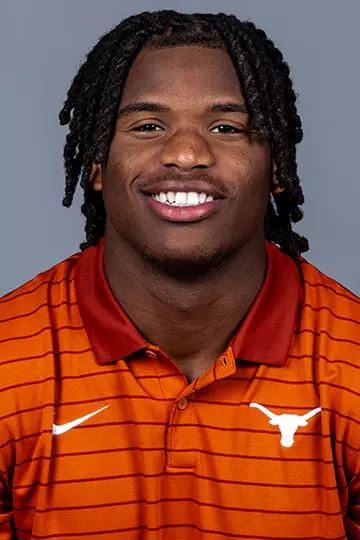
Ryan Wingo enters 2026 as one of the established wide receivers in the Texas offense. The Longhorns list the St. Louis native as a junior at 6 feet 2 inches and 214 pounds, wearing No. 1. He has experience in both a complementary role and a season of regular starts, giving fans a longer record to study than a newcomer can offer.
This guide looks at his path through the Texas receiver room, what his 2025 production says about his range, and how the first three games of 2026 fit into the offense. The season table includes the September 26 Tennessee game; the discussion of the opening stretch below covers the first three games and is dated to September 19. A profile should help interpret those numbers without pretending that one explosive play tells the entire story.
Background & Journey
St. Louis roots and the Texas roster
Wingo came to Texas from St. Louis University High School. The official team biography lists his major as Physical Culture and Sports. He is a third-year wide receiver on the 2026 roster, a useful distinction in a position group that combines returners, transfers, and younger players. Familiarity with a quarterback's cadence, practice habits, and route language can matter when a receiver is asked to make quick decisions after the snap.
The roster lists Wingo at No. 1 and 214 pounds. An older version of this site's roster had his weight at 210, which is why this page follows the updated official listing. Measurements are descriptive, not a forecast of performance. They can help explain the physical demands of a boundary route or a contested catch, but route timing, separation, hands, and a quarterback's placement determine what happens in the game.
The climb from contributor to regular starter
Texas Athletics credits Wingo with 32 career games and 19 starts entering the current point of the 2026 season. He started all 13 games in 2025. That full-season workload exposed him to different defensive backs and different coverage plans, from opponents willing to challenge receivers at the line to teams protecting against deep throws. A player who has seen that variety can become a more dependable reference point for an offense than a highlight total alone suggests.
A regular starting role also brings responsibility away from the ball. A receiver must align correctly, make the right coverage adjustment, and support running plays. Those contributions rarely appear in a receiving table. When watching Wingo, note whether the offense can use him in several formations without signaling the intended play. Versatility gives the play caller more ways to create a favorable matchup while keeping the defense from settling on a simple response.
Physical & Statistical Profile
Texas lists Ryan Wingo at 6-2 and 214 pounds. The table separates full past seasons from the four-game 2026 snapshot through September 26; “Not publicly available” means this profile does not have a verified season total for that field.
| Season | Team | Receiving | Context |
|---|---|---|---|
| 2024 | Texas | Not publicly available | Season total not included in this profile |
| 2025 | Texas | 54 receptions · 834 yards · 7 TD | Full season including bowl; Texas Athletics receiving coach biography |
| 2026 through Sep 26 | Texas | 19 receptions · 239 yards · 2 TD | First four games; includes 6 catches for 74 yards at Tennessee |
What his 2025 numbers reveal
Wingo's 2025 log includes a five-catch, 184-yard afternoon at Mississippi State, his listed career high in receiving yards. It also includes a career-high nine receptions at Georgia and a two-touchdown game against Sam Houston. Those are different kinds of receiving performances. A long-gain day can swing field position in a few snaps, while a nine-catch day speaks to repeated involvement and the ability to remain available throughout a game.
The official bio reports a 75-yard catch against Vanderbilt and 81 receiving yards on six catches against Arkansas in 2025. Rather than extrapolate those highs across every week, consider how opponents might respond. A defense that fears a deep target may keep help over the top, creating room for another receiver underneath. Wingo's value can therefore show up in the way his routes influence coverage even when the ball goes elsewhere. That is an inference about offensive structure, not a statistic credited to him.
The opening stretch of 2026
Against Texas State on September 5, Wingo caught seven passes for a team-high 121 yards and a touchdown. Texas notes that a 45-yard pass from Arch Manning was one of the opener's scoring plays. It was a strong start for an established target because it combined volume with an explosive finish. One week later, against top-ranked Ohio State, he caught four passes for 22 yards and another touchdown. The yardage was smaller, but the score illustrates why production needs context.
The September 19 UTSA game brought two catches for 22 yards. Through those three games, his week-to-week total moved substantially even while he remained part of the offense. Target opportunities depend on coverage, game plan, pass protection, and the success of other receivers. A quiet stat line does not automatically mean a receiver played poorly, just as one long gain does not prove that every route was clean. The film questions are about his separation, timing, and assignment as much as the final yards.
Playing Style & Strengths
How Wingo fits with Arch Manning
The Manning-Wingo connection already has a shared history, which can matter on throws that require the ball to leave before the receiver is fully open. A quarterback has to trust where the route is headed; the receiver has to maintain the expected angle and make the catch through contact or traffic. The Texas State opener offered a visible example of the pairing, while the Ohio State touchdown showed that a shorter yardage day can still contain an important scoring moment.
That connection should be judged across a range of situations. Watch the first-down throws that keep Texas on schedule, the third-down routes where the defender knows the stakes, and the deep attempts when the coverage gives Wingo one-on-one space. Also watch plays in which Manning moves away from the original pocket. A receiver who stays available late in a play can help a quarterback turn pressure into a positive result, though not every improvised play is a sound risk.

Season Highlights & Achievements
Documented honors: 2025 Coaches’ All-SEC Second Team; 2026 Phil Steele preseason Third-Team All-America selection. The 2026 statistics above include the September 26 game at Tennessee. Earlier game details in the reporting sections are dated snapshots, rather than claims about a final 2026 total.
Previous school(s): St. Louis University High School; no previous college listed. College recruiting interest: Not publicly available. Coach or team quote: Not publicly available.
Role on the Team / Scheme Fit
Cam Coleman arrived from Auburn before 2026 and gives Texas another prominent outside target. The presence of two threats changes the defense's allocation of attention. If a corner needs safety help against one receiver, a different route may become attractive on the opposite side. This does not guarantee that either player will produce a big number, but it gives Texas more possible answers when opponents try to remove the first option.
Wingo and Coleman also make it easier to understand why individual receiving totals can move in opposite directions from game to game. The offense is trying to find the best available matchup, not divide the ball into identical shares. Fans following Wingo should ask whether Texas is finding him in the situations that suit the plan that week. His profile links back to the full roster because the entire receiving group, including depth options, contributes to that competition for snaps and targets.
Outlook & What’s Next
Start with route variety. Does Wingo threaten the deep field, then work back to the quarterback when a defender protects against the long ball? Does he find space against zone coverage without drifting into another defender? These details can turn a routine completion into an efficient drive. On a screen or quick throw, blocking and spacing around him can determine whether the ball moves only a few yards or becomes a larger gain.
Next, look at red-zone usage. Field space narrows near the goal line, and the offense has less time to create separation. A touchdown catch there may require a clean release, accurate timing, and control at the boundary. Finally, compare opponent plans rather than assuming each week's box score is directly comparable. Ohio State, Texas State, and UTSA presented different defensive tests. Future games will add more evidence about how Texas chooses to feature Wingo.

Conclusion
This page distinguishes listed facts from observation. Number, class, height, weight, hometown, school history, and dated game figures come from the Texas Athletics player biography. Discussion of route options and defensive reactions is editorial analysis. Neither a preseason mention nor a career high is a promise about the next Saturday. An honest profile gives the fan a framework for watching the player and updates the facts when the school changes them.
For a full view of the program, use the roster to compare receivers, the schedule to check the next opponent, and the depth chart to see projected roles. Depth chart projections should be treated as projections until a team makes an official game-week announcement. Wingo's place in the offense is best understood through both his own snaps and the other players that make Texas harder to defend.
There is also a difference between a target and an opportunity to make a play. A pass thrown while the quarterback is under pressure may count as a target even when the route never has time to develop. A receiver can create separation without being targeted because the first read was elsewhere. For that reason, Wingo's catch totals should be read alongside the broader game situation. The most meaningful season-long judgment will come from repeated execution across different opponents, not an isolated Saturday.
Field position can change what the offense asks of him. Backed up near its own goal line, Texas may value a safe completion that creates breathing room. Near midfield, the same coverage might tempt a deeper shot. In the red zone, the space behind defenders disappears. Wingo's assignment may therefore shift even if he lines up in a familiar spot. Watching those changes provides a more complete picture than counting targets alone. It also helps explain why a receiver can be important to a scoring drive without catching the final pass.
Source and update note
Biographical details and earlier game figures were checked against the official Texas Athletics biography. The September 26 line comes from the Tennessee box score. Reviewed September 27, 2026. Editorial analysis is distinguished from roster facts; game logs may change after corrections.
Frequently asked questions about Ryan Wingo
This independent fan guide is not affiliated with the University of Texas or Texas Athletics.